Fragments: Reassembling Meaning in a World That Tends Toward Disorder
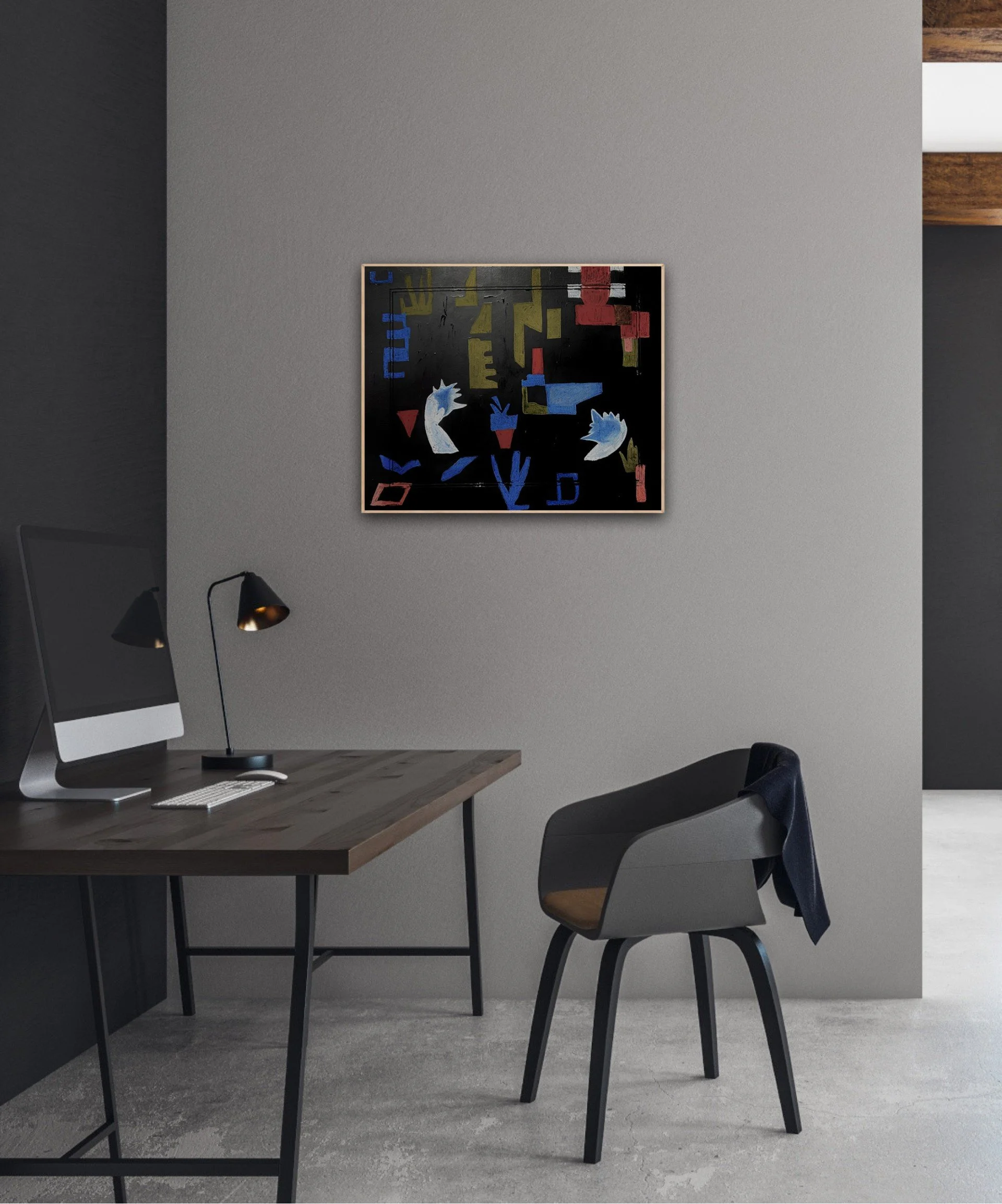
There is a quiet law that shapes the universe: things tend to fall apart. In physics, this tendency is known as entropy—the gradual dispersal of energy and the drift from order toward disorder. It is the reason stars cool, structures decay, and even memories fade. Systems that once held themselves together eventually loosen, their patterns blurring as energy spreads outward.In human life we encounter a parallel process. We might call it fragmentation: the breaking of once-coherent wholes into scattered pieces. Communities fracture. Ecosystems become divided. Attention splinters under constant stimulation. Where connections weaken, coherence becomes harder to sustain.
Entropy and fragmentation describe the quiet forces that pull systems apart. As entropy rises, structure dissolves. As fragmentation spreads, relationships loosen. A fragmented forest loses species just as a fragmented community loses trust. A mind pulled in too many directions begins to resemble a physical system whose energy has dispersed beyond usefulness. Yet this is only part of the story. Entropy reminds us that order is not the natural default of the universe—it is something that must be created and sustained. Structure, meaning, and connection arise through effort, care, and attention. Fragmentation, likewise, does not only describe breakdown. It also signals where something new may need to be built.
Recognising these forces gives us a certain agency. If entropy pulls systems toward disorder, then the act of creating order—whether in ecosystems, communities, or works of art—becomes a meaningful human response. It is the ongoing work of holding things together. This idea takes on a deeply personal dimension in the experience of disability. Disability often arrives like a shift in gravity. Movements that once felt effortless grow heavy. Actions that once aligned naturally begin to scatter. Familiar patterns loosen, and the structure of daily life can feel as if it is slowly unravelling.
At first glance, this can resemble entropy in the scientific sense: a drift away from order. But human lives are not closed systems. They do not simply decay. They reorganise. Where old abilities fall away, new forms of order begin to emerge—sometimes quietly, sometimes reluctantly, but always with a kind of intelligence shaped by lived experience rather than design. The body learns alternative pathways. The mind cultivates different strengths. Tools, technologies, and communities form a lattice that supports what biology alone cannot sustain. What appears from the outside as loss can, from within, become a process of re-patterning—a search for a new form of coherence that acknowledges the changed terrain of the body and mind. This is not a romanticisation of difficulty. Rather, it is a recognition of the deep adaptability of human life.
Living with disability often means learning to build coherence from pieces that no longer fit together in the ways they once did. The work of adaptation unfolds in small, daily adjustments: in the rhythms of the body, in the organisation of time, in the use of tools and supports that make participation possible. These changes are not signs of collapse. They are signs of a system reorganising itself around reality rather than expectation. In this sense, fragmentation is not only about breaking apart. It is also about reassembling.
The exhibition Fragments sits within this landscape of lived reorganisation. The works do not present fragmentation as failure, but as a state of becoming. Each image suggests pieces in motion—forms that hover between dissolution and reconstruction, searching for a new equilibrium. The paintings echo the way disability reshapes a life: not by erasing what came before, but by rearranging it. Elements that once belonged to a different order return in altered relationships, forming structures that carry their own integrity. Seen this way, the exhibition is less about fracture than about form. It invites viewers to consider how meaning is often created not from seamlessness but from the deliberate joining of disparate parts. It suggests that beauty can emerge from interruption, and that identity can be strengthened—not diminished—through the necessity of rebuilding.
Many people who live with disability eventually discover a quiet truth: order is not something simply inherited from the past. It is something made. It is made through adaptation.
Through community. Through tools and technologies that extend the body’s possibilities. Through the courage to release an old structure and trust that a new one can take shape. This understanding resonates through Fragments. The works do not offer a single narrative of disability. Instead, they gesture toward a shared experience: the ongoing effort to create coherence in a world that often misunderstands what that effort requires.
To live with disability is, in many ways, to live among fragments. But it is also to possess the capacity to arrange those fragments into patterns that are honest, functional, and sometimes unexpectedly beautiful. The works in this exhibition are part of that process—visual reflections on the human act of reassembling meaning in a universe that is always, quietly, coming apart.